
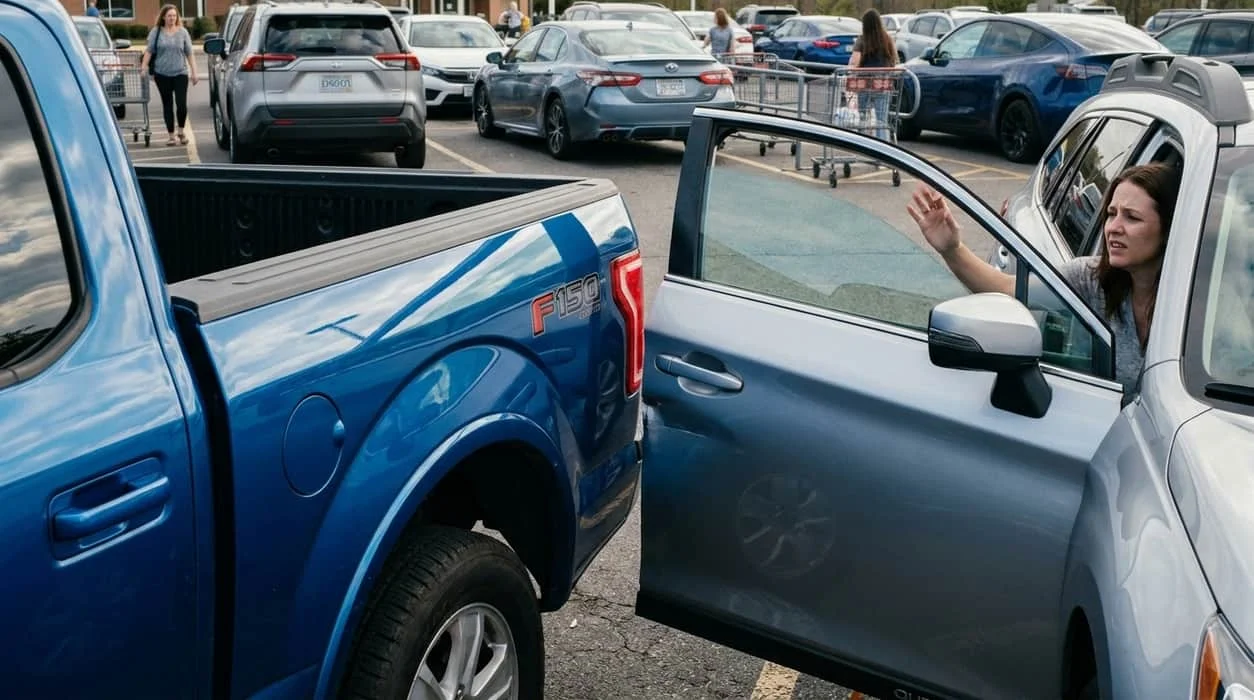
Car dents can happen almost anywhere: in a crowded parking lot, during a hailstorm, on a narrow residential street, or even in your own driveway. Understanding the most common causes of car dents can help you recognize everyday risks, protect your vehicle’s body panels, and avoid preventable repair costs.
So, what causes car dents most often? Parking lot door dings, runaway shopping carts, hail, falling objects, road debris, minor collisions, and improper washing or handling are among the leading causes. Although no vehicle can be completely protected from accidental damage, smart parking choices, weather preparation, and careful vehicle care can significantly prevent car dents.
This guide explains why cars get dents, how different types of damage affect steel and aluminum body panels, and how to avoid car dents without changing the way you use your vehicle.
What Are the Most Common Causes of Car Dents?
The most common causes of car dents include:
- Doors opened into nearby vehicles
- Shopping carts and parking lot equipment
- Hailstorms and severe weather
- Falling branches and other objects
- Minor collisions and bumper impacts
- Road debris and loose gravel
- Improper washing, loading, or vehicle handling
The severity of the damage depends on the force of the impact, the shape of the object, the location of the dent, the body-panel material, and whether the factory paint remains intact.
Some impacts produce only a shallow low spot. Others create sharp creases, stretched metal, cracked paint, or hidden collision damage. A professional inspection can determine whether Paintless Dent Repair, conventional body repair, or a combination of both is appropriate.
1. Parking Lot Dents and Door Dings
Crowded parking lots are one of the biggest sources of common car dents. Vehicles are parked close together, people are carrying bags or managing children, and wind can pull an open door out of someone’s hand.
A car door ding usually occurs when the edge of another vehicle’s door strikes your door, fender, or quarter panel. These impacts may leave:
- Small round dents
- Narrow vertical creases
- Chipped clear coat
- Paint transfer
- Sharp dents along a bodyline
Even a small door impact can be noticeable because vehicle doors contain large, relatively flat surfaces that reflect light. Damage along a reinforced bodyline may also be more complex to repair than a shallow dent in the center of a panel.

How to Prevent Door Dings
To prevent door dings:
- Park farther away from store entrances when practical.
- Choose an end space with only one neighboring vehicle.
- Avoid parking next to vehicles positioned close to the dividing line.
- Leave extra room beside large SUVs, trucks, and two-door vehicles with long doors.
- Avoid spaces beside visibly damaged or poorly parked vehicles.
- Fold your mirrors when parking in narrow spaces.
- Park away from pedestrian shortcuts and cart-return areas.
Parking beside a curb, wall, or landscaped island can reduce exposure on one side, but make sure there is enough room to open your own door safely.
2. Shopping Cart Dents and Parking Lot Damage
Shopping cart dents are another frequent form of parking lot damage. An unattended cart can roll across a sloped lot or be pushed by a strong wind. Because carts contain hard metal corners and projecting handles, even a low-speed impact can dent a door, fender, quarter panel, trunk lid, or bumper.
Parking lots also create risks from:
- Hand trucks
- Bicycles
- Strollers
- Loading equipment
- Trash containers
- Parking barriers
- Other drivers backing out
How to Avoid Parking Lot Dents
The best ways to avoid parking lot dents are to park away from cart corrals, avoid the bottom of sloped lots, and leave space around your vehicle.
Look at the direction carts are likely to travel if they begin rolling. During windy weather, choose a space protected by a building or positioned uphill from loose carts.
A few extra seconds spent choosing a safer space may prevent hundreds of dollars in car door damage or body-panel repair.

3. Hail Damage and Severe Storms
Hail is one of the most destructive natural vehicle dent causes. A single storm can leave dozens or hundreds of dents across the hood, roof, trunk, fenders, and doors.
The extent of hailstorm vehicle damage depends on:
- Hailstone size
- Wind speed and direction
- Storm duration
- Vehicle position
- Panel angle
- Whether the vehicle was moving or parked
- Steel versus aluminum construction
Horizontal panels typically receive the most direct exposure. Wind-driven hail can also damage doors, fenders, quarter panels, trim, mirrors, and glass.
How to Protect a Car From Hail
The most reliable way to protect a car from hail is to move it beneath a solid structure before the storm arrives.
Effective hail damage prevention options include:
- Parking in a garage or enclosed structure
- Using a public parking garage
- Moving beneath a properly designed carport
- Monitoring local severe-weather alerts
- Avoiding unnecessary driving during hail warnings
- Using a purpose-built padded hail cover when shelter is unavailable
A standard thin car cover may protect the paint from dust or light debris, but it usually cannot absorb the impact of larger hailstones. Thick, impact-resistant protection is more useful, although no portable cover can guarantee complete protection during a severe storm.
Never stop beneath a weak tree during high winds or severe weather. Falling limbs can cause more serious damage than hail.
Can Hail Dents Be Repaired Without Painting?
Many hail dents can be removed with Paintless Dent Repair when the paint is intact and the metal is not severely stretched. PDR technicians use specialized rods, controlled pressure, glue-pull tools, and precision lighting to restore the panel without sanding, filler, or repainting.
This approach preserves the original factory finish and avoids potential paint-matching issues. Admire PDR provides specialized hail damage repair in the Sacramento area, including mobile inspections and assistance with qualifying insurance claims.
Cracked paint, extremely sharp impacts, and severely stretched panels may require conventional body repair or a hybrid repair plan.

4. Falling Objects, Tree Branches, and Garage Accidents
Not all dents happen on the road. Falling-object damage commonly occurs in driveways, garages, construction zones, and areas with overhanging trees.
Potential causes include:
- Tree branches
- Pinecones or heavy fruit
- Sports equipment
- Tools falling from shelves
- Ladders
- Roof tiles
- Construction materials
- Objects stored above a vehicle
Large falling objects can cause more than cosmetic damage. They may distort bodylines, crack paint, damage roof supports, break glass, or affect adjacent components.
Prevention Tips
Inspect branches above your usual parking area and avoid parking beneath damaged trees during windy weather. In a garage, secure shelving and avoid storing heavy objects directly above the vehicle.
When carrying tools, bicycles, luggage, or sports equipment around the car, create enough clearance to prevent accidental contact with painted panels.

5. Minor Collisions and Low-Speed Impacts
Low-speed parking lot accidents are another major reason why cars get dents. A vehicle can be damaged while backing into a post, contacting a garage wall, brushing against another car, or being struck by someone maneuvering into a nearby space.
Low speed does not always mean minor damage. Modern bumpers may flex and return to their original appearance while mounting brackets, parking sensors, absorbers, or nearby metal panels remain damaged.
Common impact areas include:
- Front and rear bumpers
- Fenders
- Quarter panels
- Doors
- Tailgates
- Trunk lids
When a Dent May Involve Collision Damage
Seek a detailed inspection when you notice:
- Uneven panel gaps
- A door, hood, or trunk that no longer closes correctly
- Warning lights or malfunctioning sensors
- Cracked paint
- Loose bumper sections
- Sharp folds or torn metal
- Damage near a wheel or suspension component
Paintless Dent Repair is designed to restore eligible metal dents. It does not replace structural, mechanical, or safety-related collision repair.
6. Road Debris, Gravel, and Highway Damage
Loose gravel, road debris, tire fragments, and objects falling from other vehicles can strike body panels at speed. These impacts frequently affect the hood, roof edge, fenders, doors, and lower quarter panels.
Small stones usually create paint chips rather than large dents, but heavier debris can cause both. Once the paint system is broken, moisture can reach the underlying steel and increase the risk of corrosion.

How to Reduce Road-Debris Damage
- Maintain a safe following distance.
- Leave extra space behind construction vehicles and uncovered loads.
- Slow down on gravel roads.
- Avoid driving through visible debris when it is safe to change lanes.
- Do not follow vehicles with loose cargo.
- Repair paint chips before corrosion begins.
Protective paint film can reduce chips and surface damage in high-impact areas, although it cannot prevent every dent caused by a heavy object.
7. Car Washes, Improper Cleaning, and Everyday Handling
Automatic car washes are more likely to cause scratches or swirl marks than deep dents, but damaged equipment or forceful contact can occasionally affect mirrors, trim, antennas, and thin panels.
Dents can also occur when a person leans against a hood, sits on a fender, pushes forcefully on a flexible panel, or rests heavy items against the vehicle.
Improper use of suction devices, boiling water, plungers, or generic DIY dent pullers can make damage worse. These methods may create high spots, stretch the metal, crack the paint, or complicate professional repair.
For safer vehicle care:
- Use a reputable car wash with maintained equipment.
- Remove or secure vulnerable accessories.
- Do not place bags, tools, or boxes on painted panels.
- Keep children from climbing or sitting on the vehicle.
- Avoid pressing on a dent to “pop it back.”
- Have questionable damage evaluated before attempting repairs.

Car Dent Causes and Prevention at a Glance
| Cause of dent | Common damage area | Best prevention method |
| Adjacent car doors | Doors and quarter panels | Use end spaces and allow extra clearance |
| Shopping carts | Doors, fenders, and bumpers | Park away from cart returns and slopes |
| Hailstorms | Hood, roof, trunk, and upper panels | Use a garage or solid covered parking |
| Falling objects | Roof, hood, and trunk | Avoid weak trees and secure garage storage |
| Low-speed collisions | Bumpers, fenders, and corners | Use mirrors, cameras, and slow maneuvering |
| Road debris | Hood, fenders, and lower panels | Increase following distance |
| Improper handling | Hood, roof, and fenders | Keep weight and pressure off body panels |
Steel vs. Aluminum: Why Panel Material Matters
Modern vehicles use a combination of high-strength steel and aluminum. Both materials can be repaired, but they respond differently to impact and dent removal.
Steel generally has more predictable “memory,” meaning it tends to move toward its original shape when manipulated correctly. Aluminum requires different tools, temperature awareness, and more controlled repair techniques. It can also be less forgiving when the metal has stretched.
Aluminum PDR may require:
- Specialized technician training
- Controlled heat within safe limits
- Different leverage techniques
- More repair time
- Careful assessment of panel tension
The dent’s material, location, depth, accessibility, and proximity to braces influence whether a paintless repair is possible.
Paintless Dent Repair vs. Traditional Body Repair
| Paintless Dent Repair | Traditional body repair |
| Preserves factory paint | May require sanding and repainting |
| No body filler for eligible dents | Often uses filler and primer |
| Often faster | Usually requires more repair stages |
| Suitable for intact-paint dents | Better for cracked paint or severe damage |
| Helps retain the OEM finish | May require blending nearby panels |
| Works on many steel and aluminum dents | Handles extensive collision damage |
PDR is particularly effective for door dings, shallow parking dents, hail damage, and certain larger dents when the original paint remains flexible and undamaged.

Does Insurance Cover Car Dent Repair?
Insurance coverage depends on the cause of the damage and the policy.
Comprehensive coverage commonly applies to non-collision events such as hail, falling branches, vandalism, and storm debris. Collision coverage may apply when the dent results from contact with another vehicle or object.
Before filing a claim, compare:
- The estimated repair cost
- Your deductible
- The number of damaged panels
- Whether related damage is present
- Your insurer’s claim requirements
Hail damage across several panels can cost significantly more than a single door ding, making a comprehensive claim more practical. A professional PDR inspection can document dent count, size, location, panel material, and repair access for the insurer.
Expert Car Dent Prevention Tips
The most effective car dent prevention strategy is to combine awareness with preparation:
- Choose parking spaces based on clearance, not convenience.
- Keep a safe distance from vehicles carrying loose materials.
- Check weather alerts before severe storms.
- Use covered parking when hail is possible.
- Secure tools and equipment in your garage.
- Inspect paint chips and dents promptly.
- Avoid DIY methods that can damage paint or stretch metal.
No method can eliminate every risk, but these habits reduce exposure to the most predictable causes.

Common Car Dent Prevention Mistakes
Drivers often increase their risk by:
- Parking beside cart-return areas
- Squeezing into undersized spaces
- Assuming small hail cannot damage a vehicle
- Using a thin dust cover as hail protection
- Parking under damaged trees during storms
- Following trucks too closely
- Ignoring paint chips around dents
- Trying aggressive DIY dent-removal methods
- Assuming every dent is purely cosmetic
A small dent may be inexpensive to correct when addressed early. Waiting until paint fails or corrosion develops can turn a straightforward repair into a more involved body-shop job.
How to Avoid Car Dents
The most common causes of car dents are door impacts, shopping carts, hailstorms, falling objects, low-speed collisions, road debris, and careless vehicle handling. The best way to prevent car dents is to park strategically, prepare for severe weather, maintain a safe following distance, and protect the vehicle from preventable impacts at home.
When damage does occur, prompt inspection matters. Paintless Dent Repair can often remove door dings, parking dents, and hail dents without repainting, provided the factory paint is intact and the panel has not been excessively stretched.
Admire PDR restores eligible dents and hail damage using paint-free repair methods designed to preserve the original finish and vehicle value. The company offers dent, door-ding, and hail-damage services throughout Sacramento and surrounding communities.
Notice a dent in your vehicle? Request a professional assessment from Admire PDR to find out whether Paintless Dent Repair can restore the panel without body filler or repainting.
Frequently Asked Questions
Car doors, shopping carts, hail, falling branches, minor collisions, and road debris are among the most common causes. Parking lots are especially high-risk because vehicles and pedestrians operate within limited space.
Use end spaces, park away from store entrances and cart returns, avoid tightly parked vehicles, and leave adequate clearance on both sides. Parking farther away usually reduces traffic around the vehicle.
Move the vehicle into a garage or solid covered structure before the storm. When permanent shelter is unavailable, a purpose-built padded hail cover may reduce damage, but it cannot guarantee protection from severe hail.
Yes. Many hail dents qualify for Paintless Dent Repair when the paint remains intact and the metal is not severely stretched. Cracked paint or extreme panel deformation may require conventional repair.
Comprehensive auto insurance commonly covers hail damage minus the policy deductible. Coverage and claim requirements vary, so review your policy and obtain a professional damage assessment.
Many aluminum-panel dents can be repaired with PDR. Aluminum requires specialized tools, controlled techniques, and technicians experienced with the material’s different response to pressure and heat.
Cost depends on dent size, depth, location, panel material, accessibility, paint condition, and the number of dents. A single accessible door ding generally costs less than multi-panel hail or collision damage.
You might also find our article intriguing:
- 7 Reasons You Shouldn’t Ignore Small Car Dents
- Complex Dent Repair: What’s Possible with PDR?
- Top Mistakes People Make with Dent Repair
Good Luck to You 🌊

